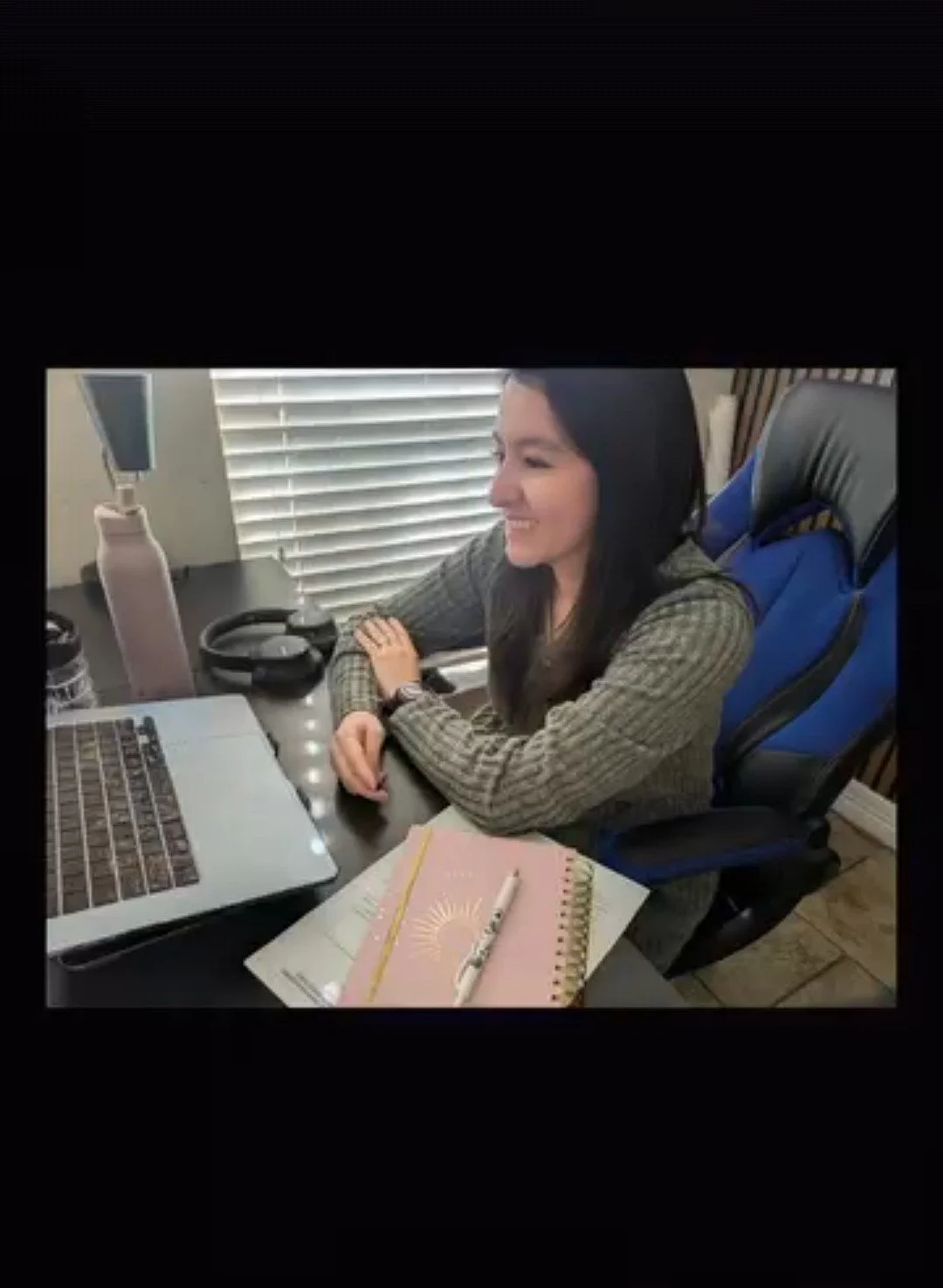
Eye Movement Desensitization and Reprocessing (EMDR) Therapy
What is EMDR Therapy?
Unlike traditional talk therapy, which focuses on discussing the event itself, EMDR focuses directly on the memory and how it is stored in the brain.
During an EMDR session, you will briefly focus on a painful memory while simultaneously experiencing bilateral stimulation (typically side-to-side eye movements, auditory tones, or alternating taps). This dual attention helps jumpstart your brain’s natural healing mechanism, allowing it to reprocess the traumatic memory into a normal, non-distressing memory.
Healing Trauma and Anxiety from the Comfort of Your Own Home
When you experience trauma, high stress, or overwhelming emotional events, your brain can struggle to process those memories properly. Instead of becoming past memories, they can get "stuck," causing distress, anxiety, or hypervigilance in your present life.
EMDR (Eye Movement Desensitization and Reprocessing) is a evidence-based psychotherapy designed to help your brain process these stuck memories, allowing you to heal and move forward.
EMDR Can Help With:
Post-Traumatic Stress Disorder (PTSD) and Complex Trauma
Anxiety, panic attacks, and phobias
Grief and loss
Low self-esteem or negative core beliefs (e.g., "I am not safe," "I am not good enough")
Past emotional, physical, or sexual abuse
Does Online/Virtual EMDR Work?
Yes, absolutely. Research and clinical practice have shown that virtual EMDR (telehealth) is just as effective as in-person sessions.
Many clients actually prefer virtual EMDR because processing difficult memories can be emotionally intense. Being in your own home allows you to feel safer, more comfortable, and immediately relaxed after a session without needing to commute home.
How Virtual EMDR Works
Virtual EMDR utilizes secure, HIPAA-compliant telehealth technology:
Bilateral Stimulation Software: We use specialized, secure online tools that guide your eyes back and forth across your screen, or provide visual/auditory prompts.
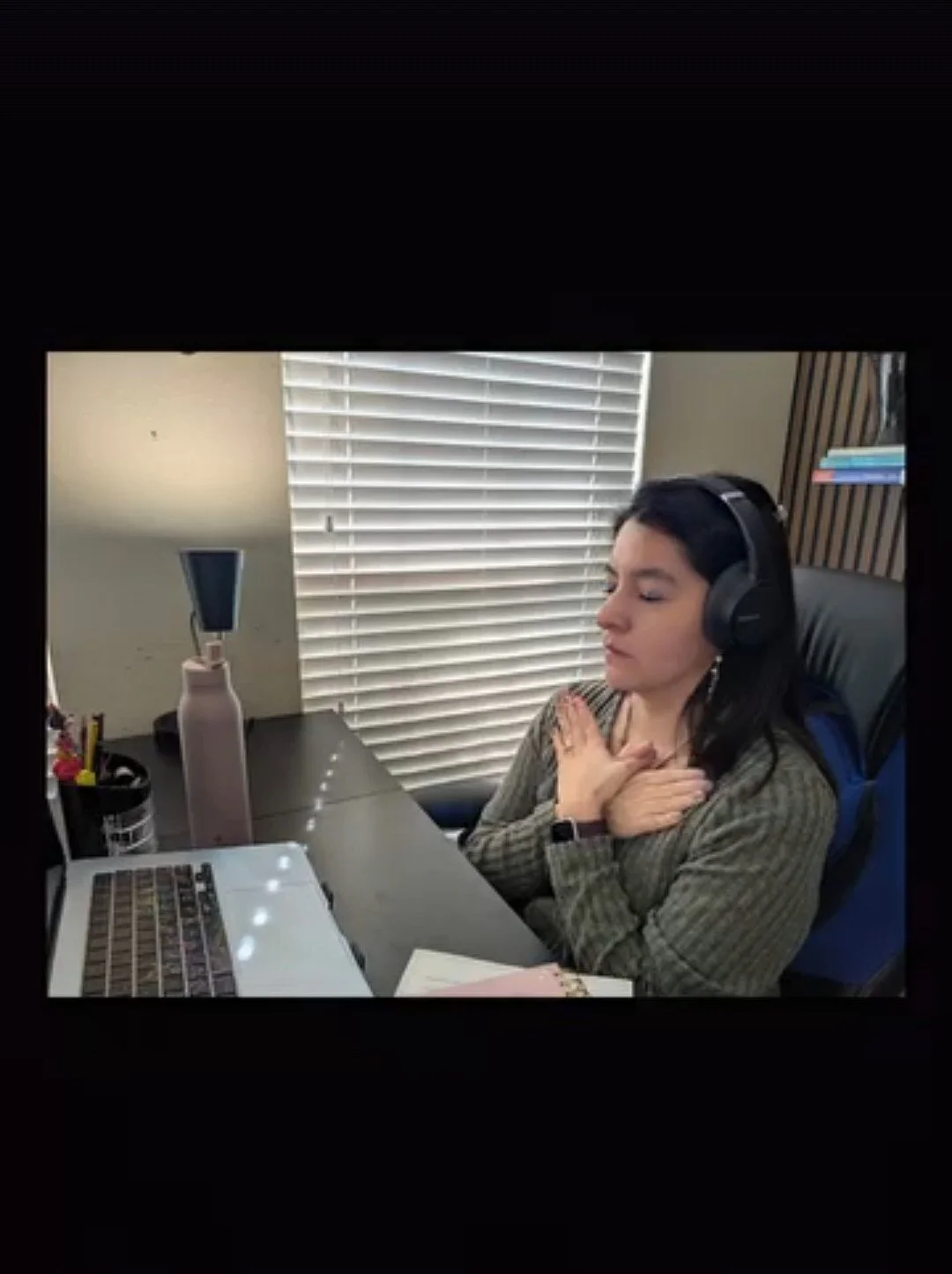
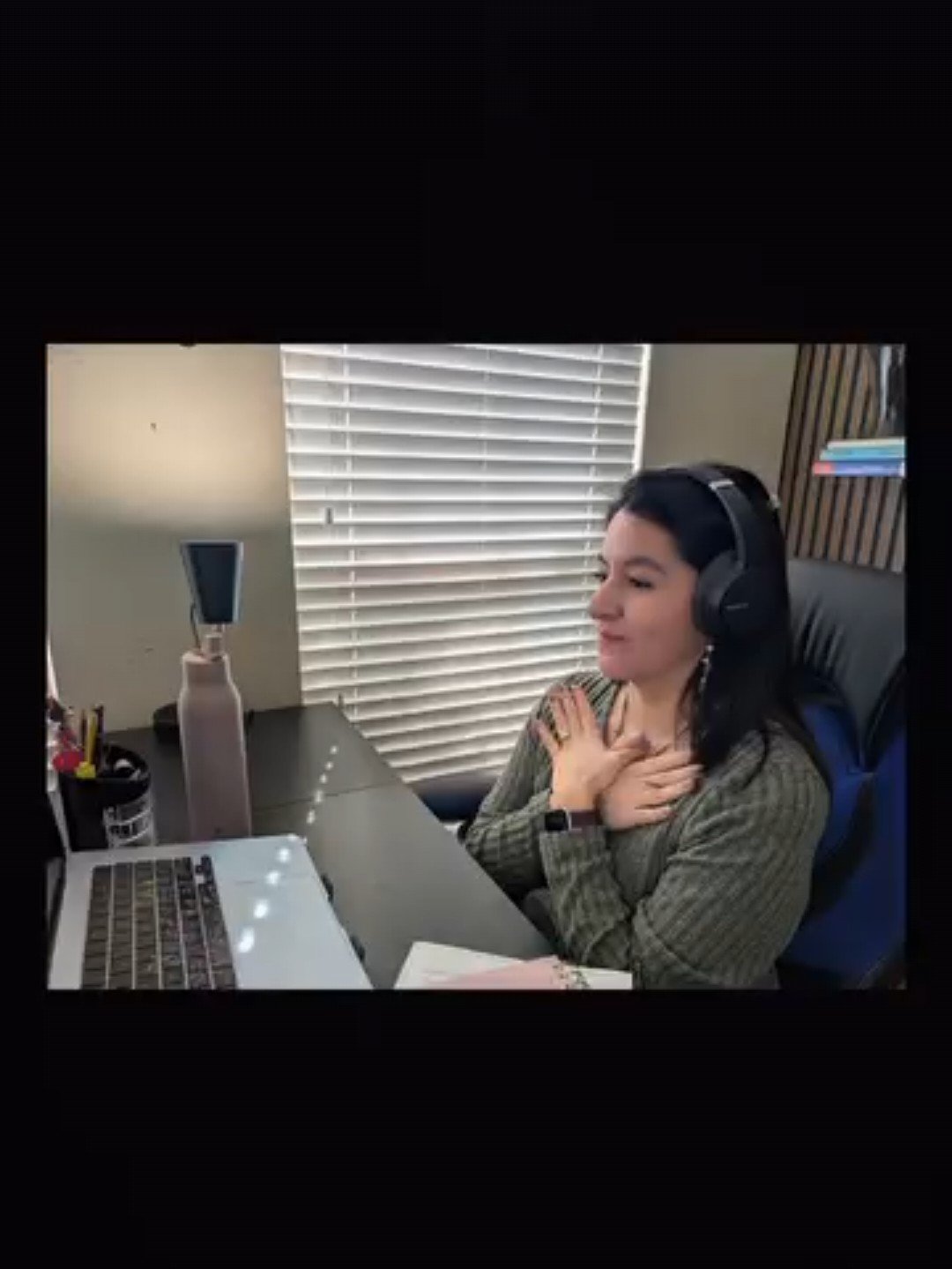
Tactile/Auditory Alternatives: If visual tracking isn't ideal for you, we can use butterfly taps (tapping lightly on your own shoulders) or alternating audio tones through headphones.
What You Need for a Successful Virtual Session
To get the most out of your online EMDR therapy, we recommend:
A quiet, private room where you will not be interrupted.
A stable internet connection.
A laptop, desktop, or tablet with a screen wide enough for comfortable eye tracking.
A comfortable place to sit.
A pair of headphones (optional, but helpful for audio stimulation).
What to Expect in Virtual EMDR
An EMDR journey follows a structured 8-phase model. We will never jump straight into painful memories.
History & Planning: We discuss your goals, background, and what you want to work on.
Preparation & Coping Tools: Before processing any trauma, we build a robust "toolbox" of grounding techniques and coping strategies so you feel safe and in control.
Assessment & Reprocessing: Together, we target specific memories using bilateral stimulation to reduce their emotional charge.
Integration & Closure: We ensure you feel grounded, stable, and calm at the end of every single session.
Ready to Start Your Healing Journey?
You don't have to stay stuck in the past, and you don't even have to leave your home to start healing.
"Courage doesn't always roar. Sometimes courage is the quiet voice at the end of the day saying, 'I will try again tomorrow.”
- Mary Anne Radmacher
Contact us today to ask questions or book your initial virtual EMDR session.